Domaine South
French Wine Tasting
Champagne, Bordeaux, Languedoc, & More! A curated selection of wines that overdeliver for the price. Great for any gathering!
Special Guest, Sean Faeth of Grassroots Wine
Friday, November 6th, 4pm - 6pm
$20 per person
The Wines
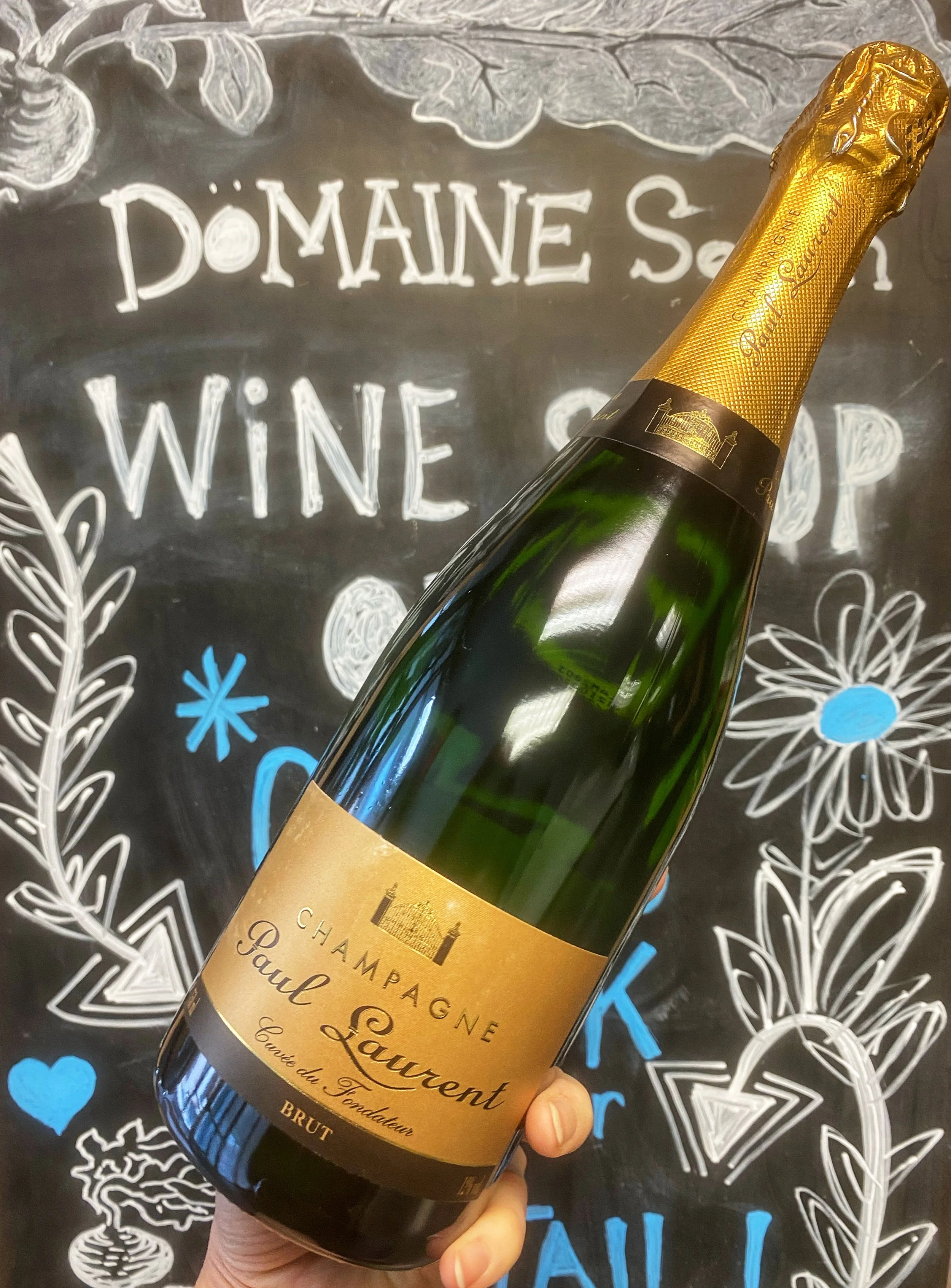
Nv Paul Laurent Cuvée du Fondateur Brut Champagne, France $62.99
75% Pinot Noir, 20% Chardonnay, 5% Meunier. From vines in the village of Bethon, just south of Épernay. Clay and limestone soils. Fermented and aged in stainless steel. Aged on the lees for 21 months before release
Looking for high-quality, affordable Champagne? Look no further than Paul Laurent! A blend of 70% Pinot Noir and 30% Chardonnay, this wine follows traditional Champagne methods of vinification and is aged on its lees for a minimum of 18 months prior to release. The predominance of Pinot noir is apparent in the bright, berry fruit aromas and a rich, mouth-filling texture. The Chardonnay lends liveliness and provides its pleasantly long, clean finish.
The latest release of the Brut Cuvée du Fondateur from Paul Laurent offers up aromas of pear, macadamia nut and fresh pastry. Medium-bodied, easygoing and accessible, it’s soft and nicely balanced.
2025 Clos Verquiere Vermentino, Mediterranee, France $18.99
Fresh and zesty with bright mineral undertones, featuring prominent notes of citrus, white peach, and a subtle hint of Mediterranean herbs. Certified Organic (practicing biodynamic methods across their 45-hectare estate).
The 2025 Clos Verquière Vermentino Mediterraneo is a certified organic white wine produced by Domaine de Verquière under the stewardship of fourth-generation winemaker Thibaut Chamfort. Bottled under the "Clos Verquière" label for their Mediterranean IGP series, this wine highlights a philosophy of lower alcohol content and high freshness.
2024 Jean Baptiste Duperray Chardonnay Sur Calcaire, Coteaux Bourguignons, Beaujolais, France $18.99
The Jean-Baptiste Duperray Chardonnay “Sur Calcaire” is a white wine from the Coteaux Bourguignons appellation. It is made from Chardonnay grapes grown on limestone soils, typical of the “Pierres Dorées” region of southern Beaujolais, which gives the wine a mineral freshness and a lovely tension. The winemaker prioritizes meticulous viticulture and winemaking that respects the fruit.
On the nose, this Chardonnay expresses aromas of citrus fruits (lemon, grapefruit) and white-fleshed fruits such as pear and ripe apple. Discreet floral notes are also present, accompanied by a slightly buttery nuance resulting from partial oak aging. On the palate, the wine is clean and precise, with lovely acidity and a fine texture. Its chalky minerality is evident on the finish, providing an elegant balance.
This wine is best enjoyed between 10 and 12°C. It pairs beautifully with oily fish, shellfish, asparagus, or fresh goat cheese. Thanks to its freshness and structure, it is also enjoyable to drink young while also having the potential to age gracefully for several years.
2024 La Mécanique du Vin Orange, Languedoc, France $27.99
A light, clear Orange color. Aromas of bitter Seville marmalade orange, dried flowers and nutty hints - which all carry through to the palate. The palate is fresh with pleasing, balancing acidity and lovely top notes of gingery spice. The muscat brings an aromatic character, which lifts the wine. The finish is long, intense and complex.
Fresh as a white wine, complex as a red wine - this has everything you expect from an Orange wine.
Machine picking at night to reduce the risk of oxidation. The grapes were directly put into a concrete tank as for the vinification of a red wine. Pre-fermentation maceration at a cool temperature for one week. Temperature maintained at 4°C with daily pumping over. The alcoholic fermentation was then launched at a temperature of 18°C. 5 days maceration with daily pumping-over. The grapes were then pressed and the press juice was blended with the free-run juice to end the fermentation. Ageing on fine lees until bottling.
La Mécanique du vin tells the story of the great winemaking process, from the vine to the bottle. In French, La Mécanique du vin means “the wine mechanics”, in reference to the required processes to produce an outstanding wine such as this one. They have crafted La Mécanique du vin as a wine that reflects Old World and New World winemaking styles.
Food Match : Mushroom Risotto, Rich Chicken & Mushroom Pie, Mature Cheese - Roquefort or Epoisses
Grape : Grenache Blanc, Clairette, Viognier & Muscat
Winemaking: 80% destemming, 14 days’ maceration with daily pumping over, followed by ageing in stainless steel vats
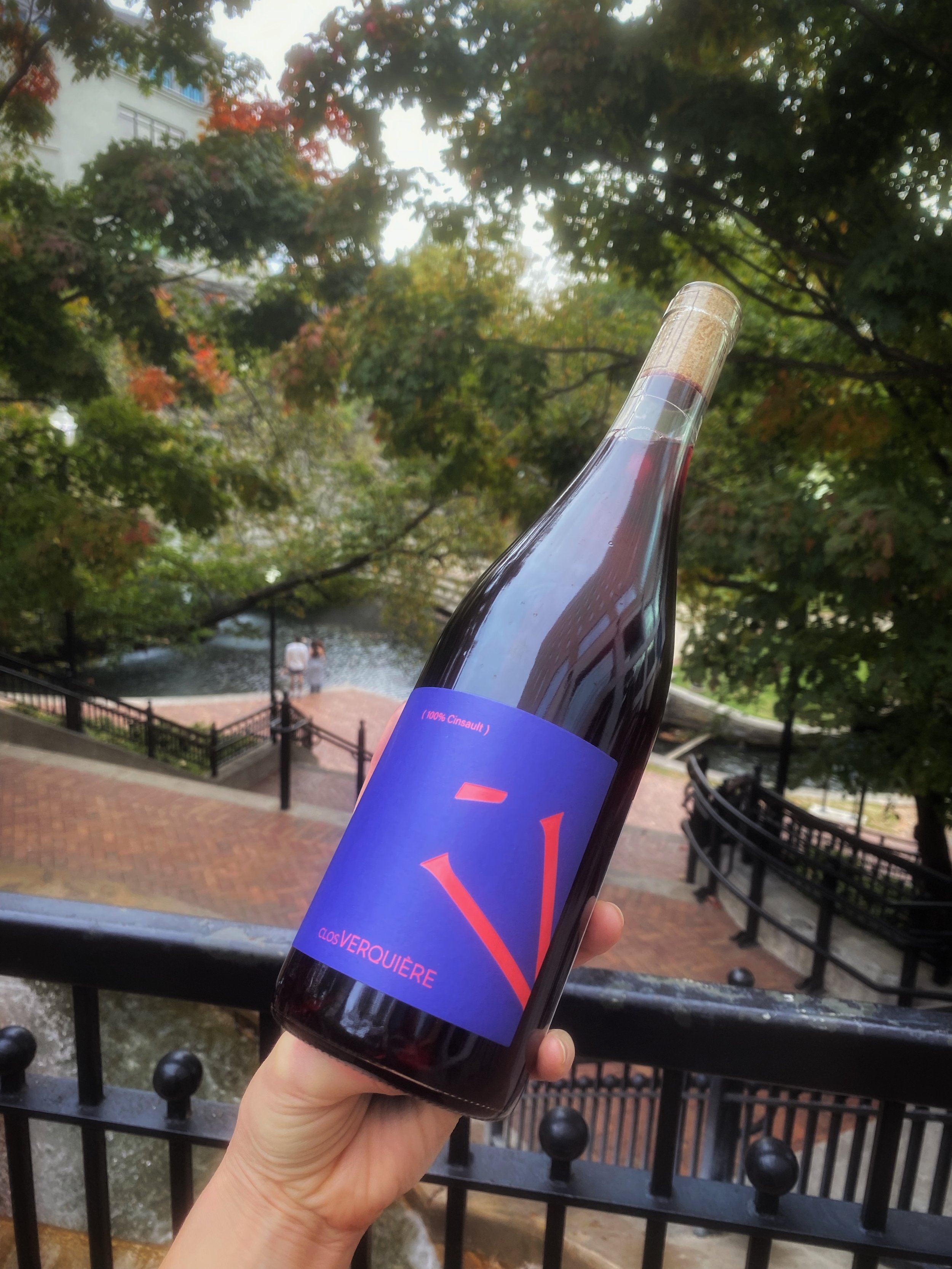
2025 Clos Verquiere Cinsault, Mediterranee, France $18.99
Juicy & Bright Light and fruit forward with aromas of red berries, cherry and a touch of spice. Smooth, easy-going and chilled red perfection. Crafted from certified organic vineyards with a focus on responsible, lower-alcohol, food-friendly profiles
2020 Chateau Carignan Cadillac Cotes de Bordeaux, Bordeaux, France $21.99
Dried flowers, chili chocolate and wild berries on the nose. Sweet berries and plums with chocolate and walnuts. Medium body with nice, firm tannins. Lovely finish. 75% merlot, 15% cabernet sauvignon and 10% cabernet franc.
The palate is medium-bodied with fine tannins, very well balanced, fresh and old school with a persistent finish.
Grown on south/southwest-facing clay-limestone and stony gravel slopes without herbicides, using cover crops and organic estate manure.
Aging: Aged for 8 to 12 months in seasoned French oak barrels.
Château Carignan is located at Carignan de Bordeaux, 10km East of Bordeaux. The dominant grape variety, as for the other right bank appellations (Saint-Emilion and Pomerol), is Merlot. This variety thirves on the clayey limestone hillsides and offers supple, well-rounded and highly fruity wines. The estate covers 150 hectares, 65 of which are planted with vines. The vines lie on south facing clayey-limestone hillsides covered with stony gravel.
The history of the château has been fashioned by its successive owners. It was known as Motta-Verta (Motta being Latin for the little elevation on which the Lord’s domain was built, and Verta to describe the greenery of the landscape) before being called Château Talence at the beginning of the 16th century. Among the successive owners were some illustrious families including the Canteloups, Géres, Pierre de Vallier, and Jean Dubernet who, upon his death in 1652, left it to one of his daughters, wife of Gaston de Secondat, baron of Montesquieu and lawyer at the Parliament of Toulouse.